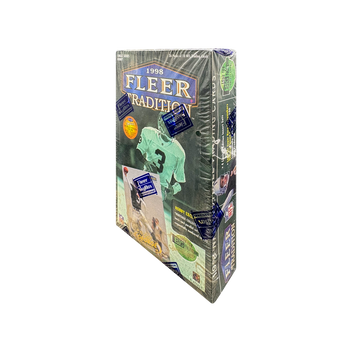
Collecting sports memorabilia can feel like stepping onto a field of endless possibilities, each piece tells a story, each auction offers a new challenge. For newcomers, the excitement is often paired with uncertainty: Which items hold real value? How can a collection be built without overspending? This guide breaks down the essentials, offering clear, actionable advice so beginners can start their journey with confidence and insight.
Understanding the Different Types of Sports Memorabilia
Before making a purchase, it’s important to recognize the main categories of collectibles:
- Trading cards: From modern releases to rare Vintage Trading Cards, cards remain the backbone of the hobby.
- Autographed items: Signed balls, jerseys, and photos can add personal flair, but authentication is crucial.
- Game-used equipment: Bats, helmets, and shoes that saw action on the field often command premium prices.
- Memorabilia accessories: Framed programs, ticket stubs, and limited-edition prints round out a well-balanced collection.
Key Factors to Evaluate When Buying
Authenticity
Authentication services such as PSA, Beckett, and JSA provide third-party verification. Look for holographic stickers, certificates, or tamper-evident seals before committing to a purchase.
Condition
Condition is measured on a scale from Poor to Gem Mint. Even minor creases or discoloration can dramatically affect value, especially for older cards.
Provenance
Knowing an item’s history, who owned it, how it was stored, and whether it has been previously graded, adds confidence and often increases market value.
Where to Start Your Collection
For beginners, reputable online platforms provide a safe entry point. An Online Sports Card Store typically offers detailed listings, grading information, and secure payment options.
- Begin with a modest budget and focus on a single sport or era.
- Purchase from established dealers or stores that specialize in sports collectibles.
- Consider buying a few lower-grade items to learn grading nuances before moving to higher-grade pieces.
Building a Balanced Portfolio
A diversified collection reduces risk and enhances enjoyment. Think of your portfolio like a sports team, mix star players (high-value cards) with promising rookies (up-and-coming athletes) and reliable role players (mid-range items).
- Core pieces: Invest in iconic cards or memorabilia that have demonstrated long-term stability.
- Growth assets: Target modern rookie cards or limited-edition releases that could appreciate as the athlete’s career progresses.
- Supplemental items: Add autographed photos or game-used gear for variety and personal connection.
Maintaining and Protecting Your Collection
Proper storage preserves both condition and value:
- Use acid-free sleeves, top loaders, and climate-controlled binders for cards.
- Store autographed items in UV-protected frames or display cases.
- Keep an inventory spreadsheet with purchase dates, prices, and grading details.
Staying Informed and Engaged
The sports memorabilia market evolves quickly. Regularly visiting a trusted Sports Card Store or following industry news helps you spot trends, upcoming releases, and potential investment opportunities.
- Subscribe to newsletters from reputable dealers.
- Participate in forums and social media groups dedicated to collecting.
- Attend live auctions or virtual events to experience market dynamics firsthand.
Conclusion
Starting a sports memorabilia collection is both a rewarding hobby and a strategic investment. By understanding the different types of collectibles, evaluating authenticity, condition, and provenance, and leveraging reliable sources such as a dedicated Sports Memorabilia Store, beginners can build a solid foundation. With careful curation, proper protection, and ongoing education, the journey from novice to seasoned collector becomes an exciting, lifelong pursuit.
About the Author