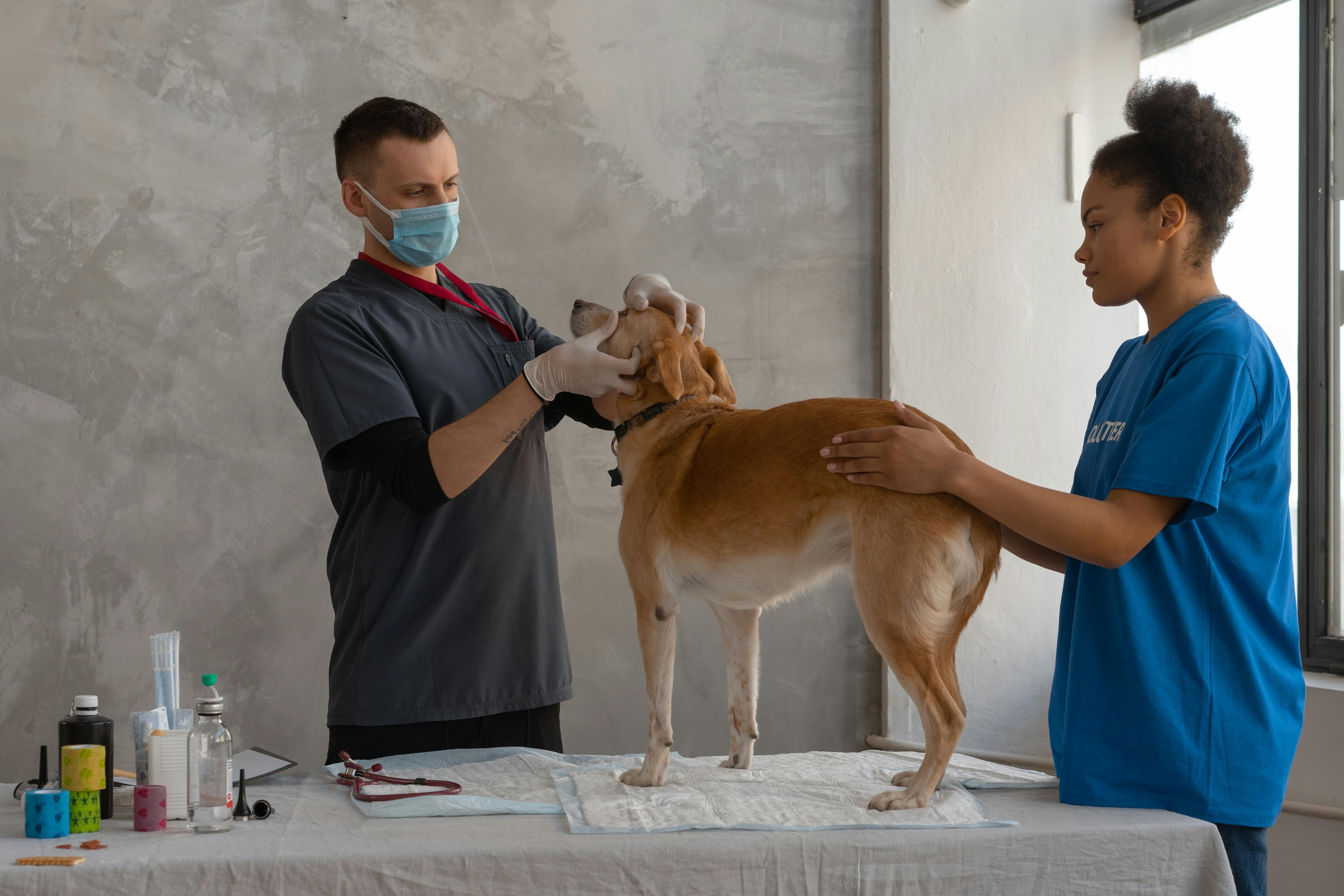
Choosing a qualified veterinarian in Belgrade, Montana, is a crucial step in ensuring the long-term health and happiness of any pet. Veterinarians serve as the primary caregivers for animals, offering preventive care, diagnosing illnesses, and providing emergency treatment when needed. This article outlines the key considerations when selecting a professional veterinarian, the range of services typically offered, and best practices for maintaining your pet’s wellbeing in the Belgrade area.
Key Criteria for Selecting a Veterinarian
Credentials and Experience
- Licensure: Verify that the veterinarian holds a valid state license and is a member of recognized veterinary associations.
- Specialization: Look for additional certifications in areas such as internal medicine, surgery, or exotic animal care if your pet has specific needs.
- Continuing Education: Practitioners who regularly attend workshops and conferences stay current with evolving medical techniques.
Facility Standards
- Cleanliness: A well-maintained clinic reduces the risk of infection and demonstrates professional standards.
- Equipment: Modern diagnostic tools (digital radiography, ultrasound, in-clinic labs) enable quicker, more accurate assessments.
- Emergency Access: Clinics that provide after-hours emergency services or have clear referral pathways are essential for urgent situations.
Client Communication
- Transparency: Clear explanations of diagnoses, treatment options, and costs help owners make informed decisions.
- Educational Resources: Clinics that offer literature, webinars, or online articles support ongoing pet care education.
- Approachability: A veterinarian who listens attentively and respects owner concerns fosters a collaborative care environment.
For a deeper dive into evaluating veterinary practices, Read more about this topic.
Core Services Provided by Professional Veterinarians
Preventive Care
- Vaccinations: Routine immunizations protect against common diseases such as rabies, distemper, and parvovirus.
- Parasite Control: Regular deworming and flea/tick prevention reduce health risks.
- Wellness Exams: Annual physical examinations detect early signs of disease and allow for timely intervention.
Diagnostic and Therapeutic Services
- Laboratory Testing: Blood work, urinalysis, and fecal exams provide essential data for diagnosis.
- Imaging: X-rays, ultrasound, and, in some cases, CT scans help visualize internal structures.
- Surgical Procedures: From routine spays/neuters to complex orthopedic surgeries, qualified vets perform a wide range of operations.
Dental Health
- Professional Cleanings: Regular dental prophylaxis prevents plaque buildup and gum disease.
- Tooth Extractions: When necessary, extraction is performed under anesthesia with appropriate pain management.
To explore detailed guidance on preventive health protocols, Learn more in this detailed guide.
Maintaining Your Pet’s Wellbeing Between Visits
Nutrition and Weight Management
- Balanced Diet: Choose age-appropriate, high-quality pet food that meets nutritional standards.
- Portion Control: Monitor serving sizes to prevent obesity, a risk factor for diabetes, arthritis, and heart disease.
- Hydration: Ensure constant access to fresh water, especially during hot weather.
Exercise and Mental Stimulation
- Regular Walks: Daily walks or play sessions maintain muscular health and mental engagement.
- Interactive Toys: Puzzle feeders and chew toys reduce boredom and destructive behavior.
- Socialization: Controlled interactions with other animals and people promote confidence and reduce anxiety.
Routine Home Care
- Grooming: Regular brushing, nail trimming, and ear cleaning prevent skin infections and discomfort.
- Parasite Checks: Inspect fur and skin for ticks, fleas, or signs of skin irritation.
- Observation: Keep a log of appetite, behavior changes, and bathroom habits to share with the veterinarian.
For additional strategies on daily pet care, Explore further insights here.
Emergency Preparedness
- Know the Nearest 24-Hour Clinic: Keep the address and phone number of the closest emergency veterinary hospital readily available.
- First-Aid Kit: Stock a pet-specific kit with bandages, antiseptic solution, and a digital thermometer.
- Transport Plan: Have a carrier or secure harness ready for safe transport during urgent situations.
Guidelines on creating an effective emergency plan can be found by Find additional information here.
Conclusion
Investing time in selecting a qualified veterinarian in Belgrade, MT, and adhering to a comprehensive wellness routine are foundational steps toward a long, healthy life for any pet. By evaluating credentials, facility standards, and communication practices, owners can build a trustworthy partnership with a veterinary professional. Coupled with consistent preventive care, proper nutrition, regular exercise, and emergency preparedness, these measures ensure that pets receive the highest standard of care throughout every stage of their lives.
About the Author