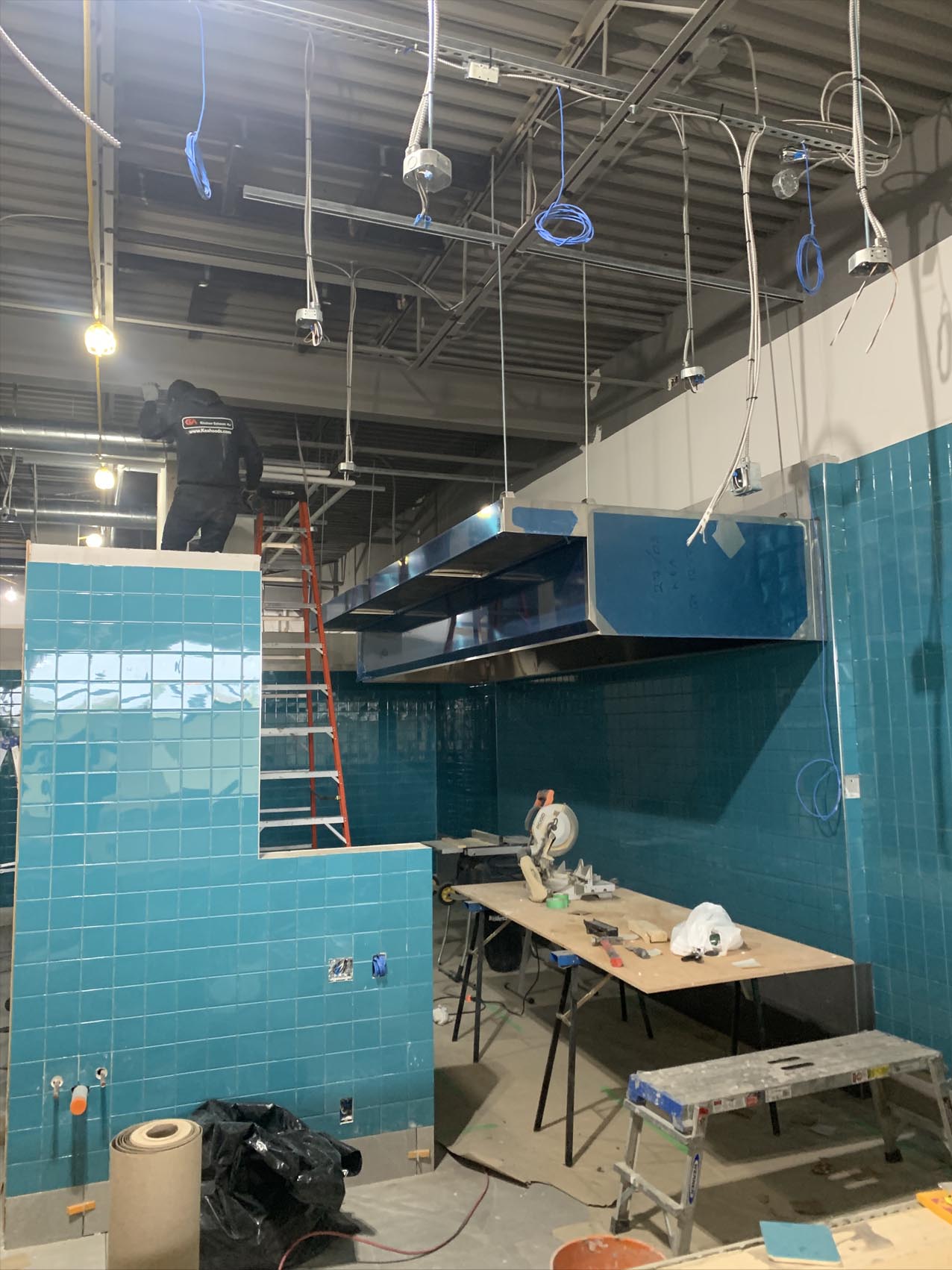
Proper ventilation is a cornerstone of a safe, efficient, and enjoyable kitchen environment. Whether cooking at home or managing a commercial space, the movement of air directly influences food quality, indoor air health, and the longevity of appliances. By removing excess heat, steam, smoke, and airborne contaminants, a well-designed ventilation system protects both the occupants and the equipment that powers daily culinary activities.
Why Ventilation Matters in Every Kitchen
Understanding the core reasons for effective ventilation helps prioritize design choices and maintenance routines.
- Health and Safety: Cooking releases pollutants such as carbon monoxide, nitrogen dioxide, and fine particles. Adequate exhaust removes these hazards, reducing respiratory irritation and fire risk.
- Food Quality: Uncontrolled humidity and lingering odors can affect the taste and texture of dishes, especially in baking and delicate preparations.
- Appliance Longevity: Excess heat and grease buildup accelerate wear on ovens, stoves, and refrigeration units, leading to costly repairs.
- Energy Efficiency: Proper airflow supports HVAC systems, preventing over-cooling or overheating of the surrounding space.
Key Components of an Effective Kitchen Ventilation System
1. Exhaust Hoods and Filters
Exhaust hoods capture steam, smoke, and grease at the source. Selecting the right size and capture velocity is essential. For detailed sizing guidelines, Discover expert strategies here.
2. Ductwork Design
Efficient ductwork minimizes pressure loss and prevents grease accumulation. Smooth, straight runs with minimal bends are preferred. For a deeper dive into duct optimization, Explore advanced guides and tips.
3. Makeup Air Supply
Replacing exhausted air maintains pressure balance and ensures HVAC performance. Properly sized makeup air prevents drafts and helps control indoor temperature.
Best Practices for Maintaining Kitchen Ventilation
- Schedule regular cleaning of hoods, filters, and ducts to avoid grease fire hazards.
- Inspect fan motors and bearings annually for wear and noise.
- Verify that makeup air intakes are unobstructed and sized correctly.
- Use high-efficiency particulate air (HEPA) or charcoal filters in environments with strong odors.
Guidance on maintenance schedules can be found by Learn about our tailored solutions, which outline industry-standard timelines.
Design Considerations for Different Kitchen Types
Residential Kitchens
Home cooks benefit from quiet, aesthetically pleasing hoods that match cabinetry. A vent that delivers at least 100 CFM per square foot of cooking surface is a reliable baseline. For a quick reference chart, Find out more about this approach.
Commercial Kitchens
Restaurants, cafeterias, and institutional kitchens demand higher airflow rates, often 300-600 CFM per linear foot of cooking line. Redundancy, fire suppression integration, and compliance with local codes become critical factors.
Specialty Environments
Facilities such as bakeries, smokehouses, or labs may require customized filtration or additional make-up air to meet specific contaminant thresholds.
Impact on Energy Consumption and Sustainability
Efficient ventilation reduces the load on heating and cooling systems, translating into lower utility bills and a smaller carbon footprint. Selecting variable-speed fans and demand-controlled ventilation (DCV) technology adjusts airflow based on real-time cooking activity, optimizing energy use.
- Variable-speed motors adapt to low-heat simmering and high-heat grilling.
- DCV sensors monitor temperature, humidity, and pollutant levels.
- Proper insulation of ductwork prevents heat loss.
For additional insight into sustainable practices, Explore advanced guides and tips that address green building standards.
Choosing the Right Ventilation Partner
When selecting a provider for design, installation, or service, consider the following criteria:
- Certification and experience with local building codes.
- Proven track record in both residential and commercial projects.
- Availability of comprehensive maintenance contracts.
- Commitment to using energy-efficient equipment.
Professional expertise can be verified through case studies and client testimonials available at Learn about our tailored solutions.
Conclusion
Investing in proper kitchen ventilation is not merely a regulatory requirement, it is a strategic decision that enhances health, food quality, equipment durability, and overall operational efficiency. By integrating well-designed hoods, optimized ductwork, and reliable make-up air, kitchens of any size can achieve a balanced environment that supports both culinary creativity and safety. Ongoing maintenance and the adoption of energy-saving technologies further reinforce the long-term benefits, making ventilation a pivotal component of any successful kitchen plan.
About the Author