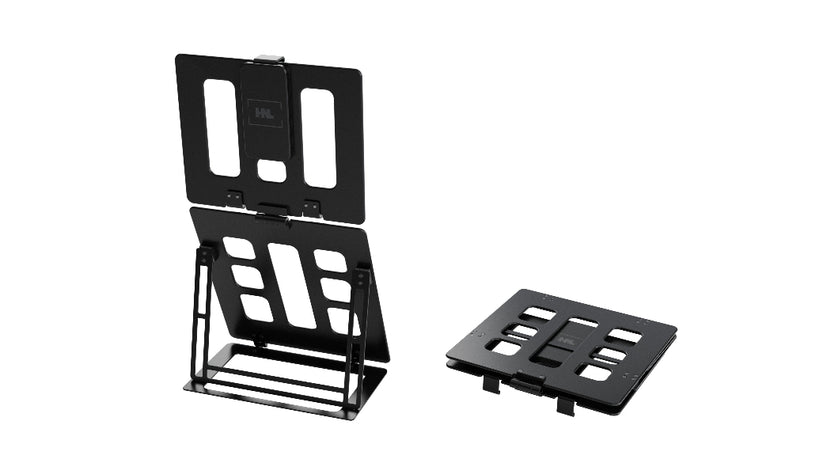
Spending long hours in front of a computer can lead to persistent neck discomfort, especially when the monitor is positioned too low or too high. A computer screen stand for a desk helps align the display at eye level, promoting a neutral spine posture and reducing the strain that accumulates over the workday. By elevating the screen, users can maintain a more ergonomic setup, which not only alleviates neck pain but also enhances overall productivity and focus.
Why Neck Strain Occurs with Improper Monitor Placement
Understanding the root causes of neck strain is essential before selecting an appropriate solution. Common factors include:
- Viewing the screen from a downward angle, causing the head to tilt forward.
- Constantly looking up at a high-mounted monitor, which compresses the cervical spine.
- Extended periods of static posture without adjustments.
- Lack of support for the upper back and shoulders, leading to muscle fatigue.
Key Benefits of Using a Computer Screen Stand
1. Ergonomic Alignment
Elevating the monitor to eye level encourages a straight neck posture. This alignment reduces the need for the neck muscles to work overtime, decreasing the risk of chronic tension headaches and cervical disc issues.
2. Improved Visual Comfort
When the screen is positioned correctly, glare and reflections are minimized, and the eyes can focus more naturally. This leads to less eye strain and fewer breaks needed to rest the vision.
3. Enhanced Workspace Organization
A monitor stand often frees up valuable desk space, allowing for a cleaner, more organized work area. This can boost efficiency by keeping essential tools within easy reach.
4. Adjustable Flexibility
Many modern stands offer height and angle adjustments, catering to individual preferences and different tasks, from coding to graphic design.
Choosing the Right Stand for Your Desk
Selecting a stand that matches both ergonomic needs and desk aesthetics is crucial. Consider the following criteria:
- Weight Capacity: Ensure the stand can support the monitor’s size and weight.
- Adjustability: Look for models with tilt, swivel, and height options.
- Stability: A broad base or anti-slip pads prevent wobbling.
- Portability: If workspace flexibility is needed, a lightweight, fold-able design is ideal.
For a portable solution that meets these standards, Discover expert strategies here and explore how a compact stand can fit seamlessly into any environment.
Impact on Long-Term Health
Consistent use of a properly positioned monitor can have lasting benefits beyond immediate comfort:
- Reduced likelihood of developing chronic neck and shoulder pain.
- Lower risk of repetitive strain injuries (RSI) associated with poor posture.
- Improved circulation in the upper body, decreasing muscle fatigue.
- Enhanced mental clarity and focus due to reduced physical distraction.
Integrating the Stand into a Comprehensive Ergonomic Setup
A monitor stand is one component of a holistic ergonomic strategy. Pair it with other adjustments for maximum effect:
- Use an adjustable chair that supports lumbar curvature.
- Place the keyboard and mouse at elbow height to keep shoulders relaxed.
- Take regular micro-breaks, stand, stretch, and move every 30-45 minutes.
To deepen understanding of ergonomic best practices, Learn about our tailored solutions and see how a well-chosen stand complements these habits.
Practical Tips for Immediate Relief
Even if a stand is not yet available, the following quick adjustments can mitigate neck strain:
- Raise the monitor using books or a sturdy box to approximate eye level.
- Adjust the screen tilt so the top is slightly farther away than the bottom.
- Ensure the monitor is about an arm’s length away.
- Maintain shoulders relaxed and avoid hunching.
Conclusion
Investing in a computer screen stand for a desk is a straightforward yet powerful step toward reducing neck strain and fostering a healthier work environment. By aligning the monitor with the natural line of sight, users experience less muscular tension, better visual comfort, and a more organized workspace. Combining the stand with other ergonomic adjustments creates a synergistic effect that supports long-term musculoskeletal health. For those seeking a versatile, high-quality option, Explore advanced guides and tips to find a stand that matches both functional needs and aesthetic preferences.
About the Author


