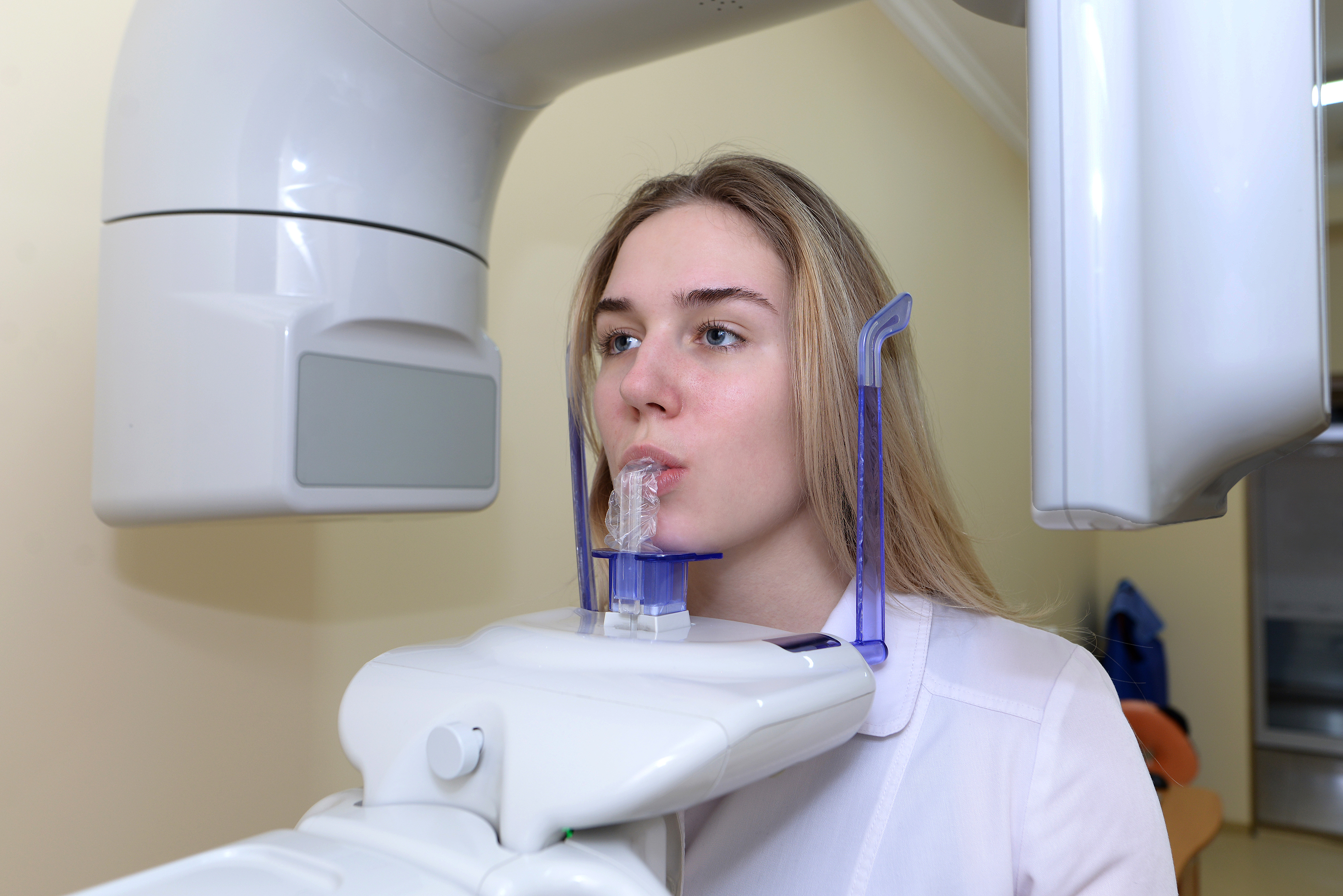
In recent years, the advancement of dental technology has significantly improved diagnostic capabilities and patient care. One such breakthrough is the digital panoramic radiograph, a sophisticated imaging technique that offers comprehensive insights into oral health. This technology provides a full view of the oral cavity, capturing the entire mouth in a single image. As dental practices increasingly adopt this technology, understanding its benefits can help both patients and practitioners appreciate its value in modern dentistry.
Enhanced Diagnostic Capabilities
Digital panoramic radiographs offer superior diagnostic capabilities that enhance the accuracy and effectiveness of dental evaluations. Here are some key advantages:
- Comprehensive View: The panoramic view encompasses the entire mouth, including teeth, jaws, and surrounding structures, enabling a holistic assessment.
- Early Detection: This technology aids in the early detection of dental issues such as cysts, tumors, and impacted teeth, allowing for timely intervention.
- Reduced Errors: Digital imaging minimizes the risk of diagnostic errors attributed to traditional radiographic techniques.
Improved Patient Experience
The use of digital panoramic radiographs contributes significantly to enhancing the patient experience during dental visits.
- Non-Invasive Procedure: The process is quick and non-invasive, requiring minimal patient preparation and no discomfort.
- Lower Radiation Exposure: Compared to traditional X-rays, digital panoramic radiographs expose patients to significantly less radiation, promoting safer diagnostic practices.
- Visual Clarity: High-resolution images facilitate better communication between dentists and patients, as conditions can be easily explained with visual aids.
Streamlined Dental Workflow
For dental professionals, integrating a digital panoramic radiograph into their workflow offers numerous operational benefits.
- Efficiency: Image capture and processing are swift, enabling rapid analysis and reducing patient wait times.
- Easy Storage and Access: Digital images are easily stored and retrieved, allowing for seamless integration into electronic health records.
- Enhanced Collaboration: Digital format facilitates easy sharing with specialists and other healthcare providers, improving collaborative care.
Environmental Benefits
The shift to digital radiography is not only beneficial for patients and practitioners but also has positive environmental implications.
- Reduced Chemical Use: Unlike traditional film radiography, digital techniques eliminate the need for chemical processing, reducing hazardous waste.
- Decreased Resource Consumption: Digital radiographs require no film or physical storage, conserving resources and reducing environmental footprints.
Conclusion
The adoption of digital panoramic radiograph technology represents a significant advancement in dental imaging, offering improved diagnostic accuracy, enhanced patient comfort, and operational efficiencies. As dental practices continue to embrace this technology, its role in delivering comprehensive and effective oral healthcare becomes increasingly evident. The benefits extend beyond the clinical setting, impacting environmental sustainability and overall healthcare quality. Embracing such innovations reflects the ongoing commitment to improving patient outcomes and adapting to the ever-evolving landscape of dental technology.
About the Author