Summer can be a challenging time for parents of preschool-aged children as they seek ways to keep their young ones engaged, learning, and having fun. One effective solution is enrolling them in summer camps specifically designed for preschoolers. These camps offer a range of activities that cater to the developmental needs of young children, providing a balance of education and recreation. In this article, we explore the benefits of summer camps for preschoolers, what to look for when choosing a camp, and some popular activities that these camps offer. Whether you are a parent considering this option or an educator looking for inspiration, this guide will provide valuable insights into enriching summer activities for preschoolers.
Benefits of Summer Camps for Preschoolers
Summer camps for preschoolers are more than just a way to pass the time. They offer numerous benefits that contribute to the overall development of young children:
- Social Skills Development: Camps provide a setting where children can interact with peers, aiding in the development of social skills such as sharing, cooperation, and communication.
- Physical Activity: With activities like swimming, sports, and outdoor games, camps promote physical fitness, which is crucial for young children.
- Independence and Confidence: Being away from home and engaging in new activities can boost a child’s confidence and foster independence.
- Creativity and Imagination: Many camps focus on arts and crafts, music, and storytelling, which stimulate creativity and imagination in preschoolers.
- Learning Opportunities: Camps often incorporate educational themes and activities that keep children intellectually engaged during the summer months.
To learn more in this detailed guide, parents can explore various camp options that align with their child’s interests and developmental needs.
Choosing the Right Camp for Your Child
Factors to Consider
Selecting the right camp involves considering several factors to ensure that it meets the needs of your child and aligns with your family?s values and expectations:
- Age Appropriateness: Ensure the camp is designed for preschoolers and offers age-appropriate activities.
- Safety and Supervision: Verify the camp’s safety protocols and the ratio of staff to children to ensure adequate supervision.
- Staff Qualifications: Check the qualifications and experience of the camp staff, particularly in early childhood education.
- Program Content: Look for a camp that offers a balanced mix of educational and recreational activities.
- Location and Schedule: Consider the camp’s location and schedule, ensuring they are convenient for your family.
For more insights on selecting a suitable camp, explore further insights here.
Popular Activities in Preschool Summer Camps
Summer camps offer a diverse range of activities that cater to the interests and developmental stages of preschoolers. Some popular activities include:
- Arts and Crafts: Activities such as painting, drawing, and crafting help develop fine motor skills and encourage creativity.
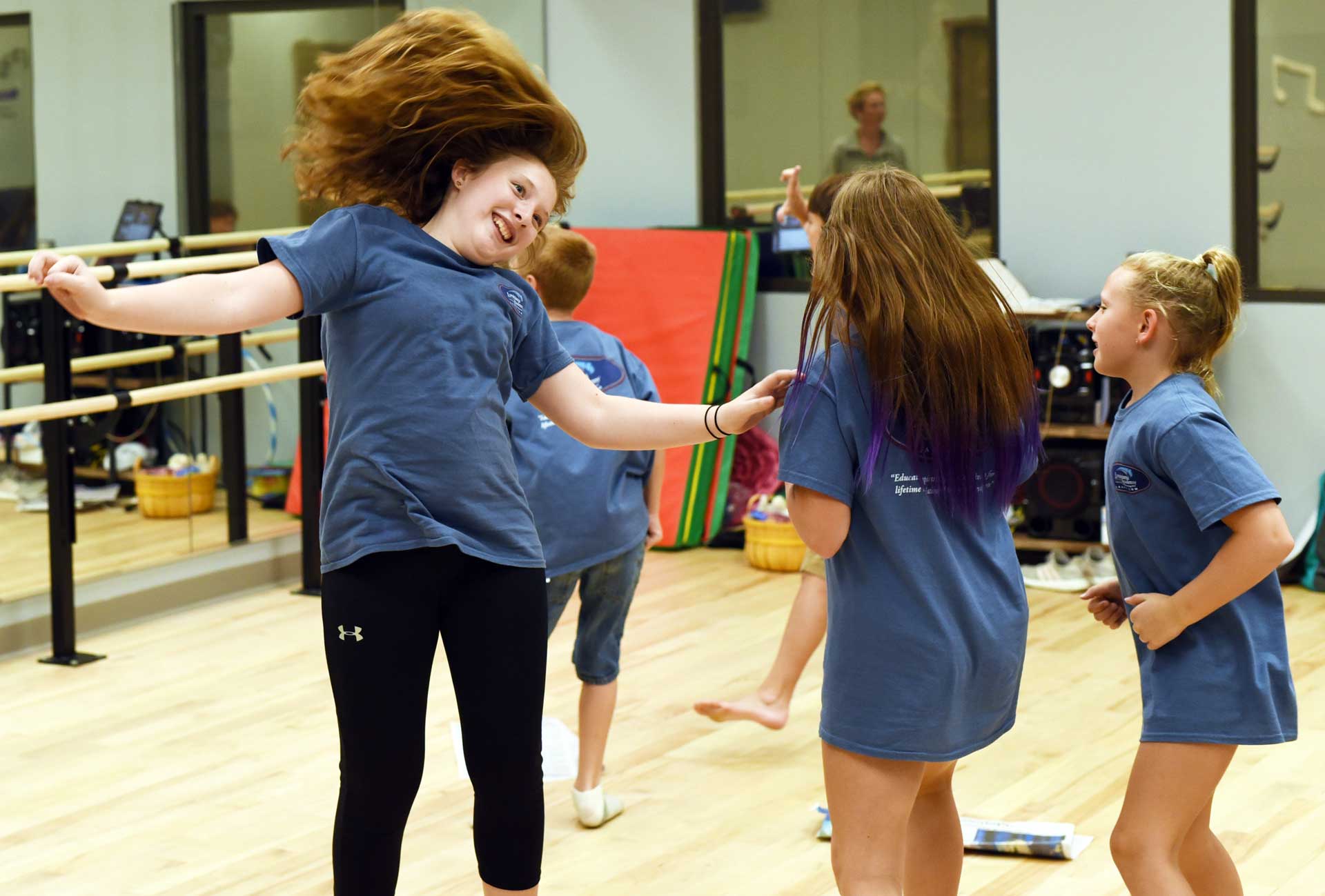
- Music and Dance: Singing, dancing, and playing instruments are not only fun but also enhance coordination and rhythm.
- Outdoor Exploration: Nature walks, gardening, and scavenger hunts foster a connection with the natural world and promote curiosity.
- Storytime and Drama: Storytelling and role-playing activities stimulate imagination and improve language skills.
- Sports and Games: Age-appropriate sports and cooperative games teach teamwork and improve physical fitness.
Parents interested in a detailed overview of camp activities can find additional information here.
Conclusion
Enrolling preschoolers in summer camps can be a rewarding decision that offers significant benefits in terms of social, physical, and intellectual development. By carefully selecting a camp that matches their child’s needs and interests, parents can provide an enriching summer experience that fosters growth and learning. To read more about this topic, exploring different camp offerings can help in making an informed decision that best suits the child’s developmental journey.
About the Author