Embarking on a commercial pilot career is a demanding yet rewarding journey. While a private pilot licence opens the door to recreational flying, the commercial pilot course is the catalyst that transforms hobbyists into airline-ready professionals. By concentrating on advanced aeronautical knowledge, rigorous flight hours, and industry-standard competencies, a structured commercial training program shortens the time needed to meet airline hiring criteria and boosts confidence in high-pressure environments.
Why a Commercial Pilot Course Matters
Airlines look for pilots who demonstrate not only technical skill but also decision-making aptitude, crew coordination, and a solid grasp of regulatory standards. A dedicated commercial pilot course provides:
- Enhanced understanding of complex aircraft systems.
- Structured accumulation of the required flight hours under varied conditions.
- Exposure to instrument, multi-engine, and high-altitude operations.
- Preparation for the Airline Transport Pilot Licence (ATPL) written and skill examinations.
Accelerated Credential Pathway
The traditional route to an airline seat can span several years, often involving fragmented training modules. Enrolling in a comprehensive commercial pilot program consolidates these elements, allowing candidates to progress from zero-to-airline-ready in a more predictable timeframe. Discover expert strategies here and see how a focused curriculum aligns with airline expectations.
Core Components of an Effective Commercial Pilot Course
1. Ground School Excellence
Ground instruction covers aerodynamics, meteorology, navigation, and aviation law. Modern courses integrate simulator sessions that reinforce theoretical concepts with real-world scenarios, ensuring that knowledge retention translates into practical competence.
2. Flight Training Hours
Regulatory bodies require a minimum of 250 flight hours for a commercial licence, but many airlines prefer candidates with 500+ hours. A well-designed program schedules:
- Cross-country flights that develop route planning skills.
- Night operations to build proficiency in low-visibility environments.
- Multi-engine time to familiarize pilots with larger, more complex aircraft.
3. Simulator Sessions
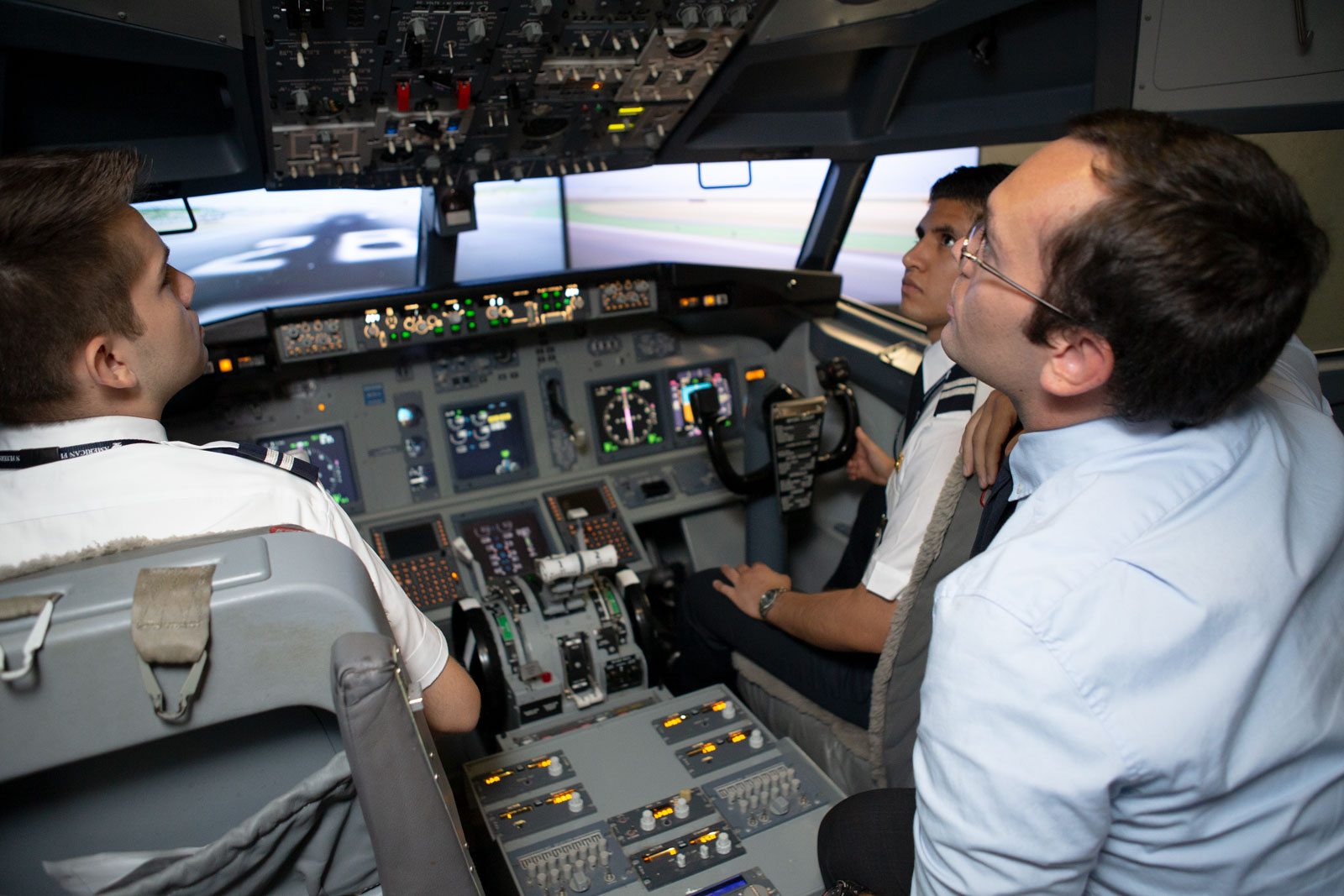
High-fidelity simulators replicate emergency procedures, system failures, and adverse weather. Repetitive practice in these controlled settings sharpens reaction times and decision-making, essential for airline operations.
Benefits Beyond the Licence
Completing a commercial pilot course does more than satisfy regulatory requirements; it equips aspiring pilots with a professional mindset and a network of industry contacts.
- Leadership & Crew Resource Management (CRM): Structured training emphasizes communication and teamwork, mirroring airline cockpit dynamics.
- Career Flexibility: Graduates can pursue roles in charter services, cargo operations, or flight instruction while awaiting airline placement.
- Higher Earning Potential: Airlines often offer premium compensation packages to pilots who have completed rigorous commercial programs.
Choosing the Right Training Provider
Not all commercial pilot courses are created equal. Prospective students should evaluate curriculum depth, instructor experience, fleet diversity, and success rates of alumni placement. A provider that aligns its syllabus with airline standards can dramatically improve a candidate’s marketability. Learn about our tailored solutions to see how a curriculum built around real-world airline requirements can make a difference.
Key Evaluation Criteria
- Accreditation: Verify that the school holds approvals from national aviation authorities.
- Fleet Modernity: Training on aircraft similar to those used by major carriers (e.g., A320, B737) eases transition.
- Instructor Credentials: Instructors with airline backgrounds bring practical insights.
- Placement Support: Programs that offer interview preparation and networking events add value.
Real-World Impact: Success Stories
Graduates of intensive commercial pilot courses often report a noticeable reduction in the time taken to receive airline offers. By completing a program that integrates ATPL theory, advanced simulator work, and multi-engine experience, pilots enter the job market with a portfolio that stands out to recruiters.
Case Example
A recent cohort member logged 600 flight hours, including 150 hours on a multi-engine platform, and completed a full ATPL syllabus within 18 months. Upon graduation, the pilot secured a first-officer position with a major European carrier, attributing the rapid placement to the comprehensive training structure. Explore advanced guides and tips for maximizing training outcomes.
Conclusion
A commercial pilot course is more than a stepping stone; it is a strategic accelerator that aligns technical proficiency, regulatory compliance, and professional demeanor with the exacting standards of airline employers. By selecting a program that offers integrated ground school, extensive flight time, and high-fidelity simulation, aspiring pilots can fast-track their credentials, enhance employability, and embark on a rewarding aviation career with confidence.
About the Author