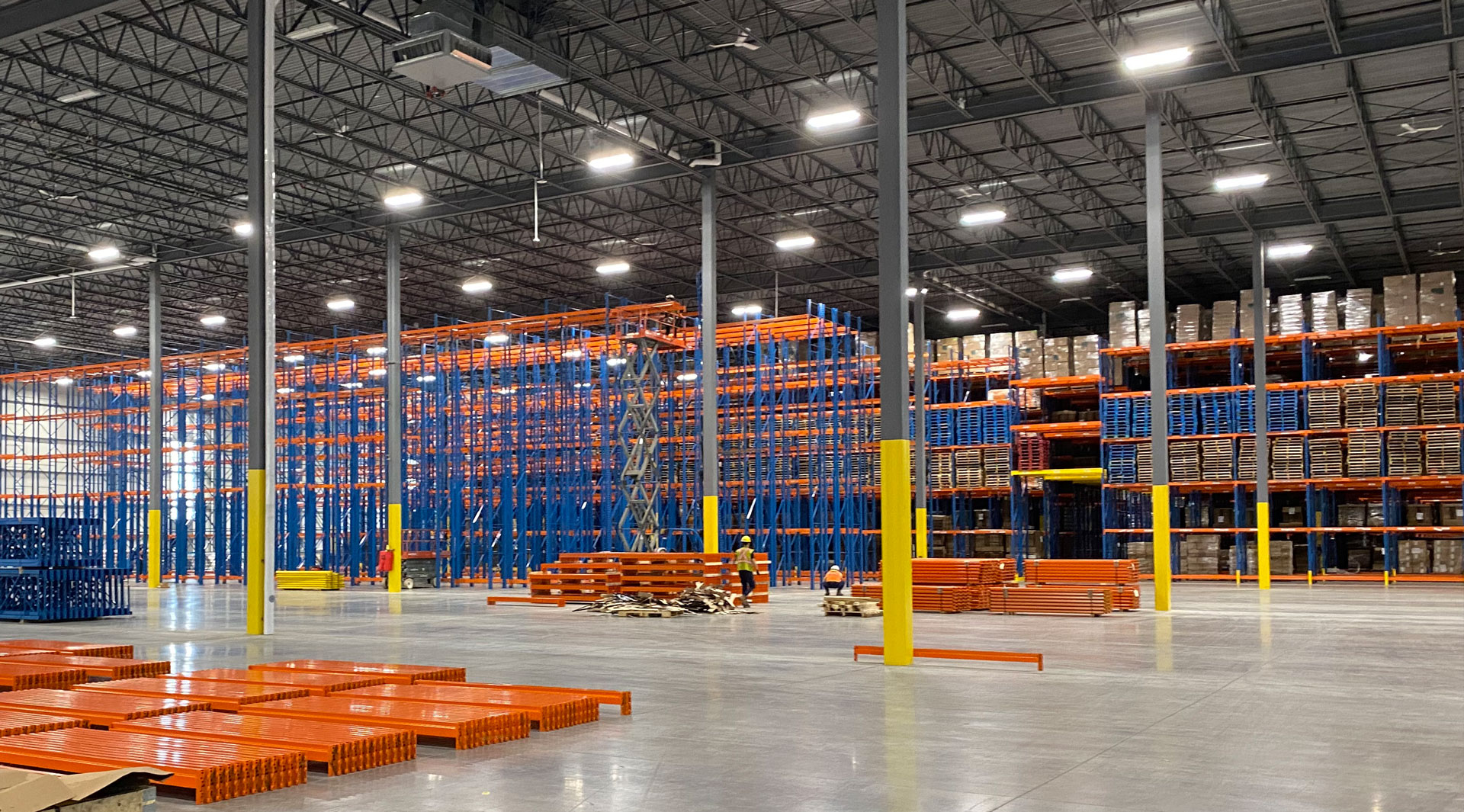
When it comes to optimizing warehouse space, selecting the right warehouse racking system and warehouse pallet racking is crucial for businesses looking to maximize their storage capacity and improve efficiency. A well-designed warehouse storage system can make a significant impact on a company’s bottom line, from reduced labor costs to increased productivity and reduced waste. However, with so many options available, it can be overwhelming to choose the right system for your specific needs. That’s why it’s essential to take the time to research and understand the different types of warehouse racking systems and their benefits.
Understanding Warehouse Racking Systems
Warehouse racking systems come in a variety of configurations, each designed to meet specific storage needs. The most common types of warehouse racking systems include selective racking, drive-in racking, and push-back racking. Selective racking is the most popular type of warehouse racking system, offering easy access to stored goods and the ability to retrieve specific items quickly. Drive-in racking, on the other hand, is designed for high-density storage and is ideal for companies with large quantities of similar items. Push-back racking is a hybrid system that combines the benefits of selective and drive-in racking.
Benefits of Warehouse Racking Systems
- Increased storage capacity
- Improved accessibility and retrieval times
- Reduced labor costs and improved productivity
- Enhanced safety and reduced risk of accidents
When selecting a warehouse racking system, it’s essential to consider the specific needs of your business. Factors such as storage capacity, product type, and warehouse layout should all be taken into account. By choosing the right warehouse racking system, businesses can optimize their storage space, improve efficiency, and reduce costs.
Warehouse Pallet Racking: A Key Component of Warehouse Racking Systems
Warehouse pallet racking is a critical component of warehouse racking systems, providing a sturdy and secure storage solution for palletized goods. Warehouse pallet racking systems come in a range of configurations, from static to dynamic, and can be customized to meet specific storage needs. When selecting warehouse pallet racking, businesses should consider factors such as load capacity, durability, and maintenance requirements.
Tips for Selecting Warehouse Pallet Racking
- Choose a system with a high load capacity to ensure safe storage
- Consider a system with adjustable shelves to accommodate different pallet sizes
- Look for a system with a durable and rust-resistant finish to ensure longevity
- Consider a system with easy maintenance features to reduce downtime
By selecting the right warehouse pallet racking system, businesses can ensure safe and efficient storage of their goods, reducing the risk of accidents and damage. To learn more about warehouse pallet racking and how to select the right system for your business, visit Discover expert strategies here.
Conclusion
Selecting the right warehouse racking system and warehouse pallet racking is a critical decision for businesses looking to optimize their storage capacity and improve efficiency. By understanding the different types of warehouse racking systems and their benefits, businesses can make an informed decision and choose the right system for their specific needs. With the right warehouse racking system and warehouse pallet racking in place, businesses can reduce costs, improve productivity, and enhance safety. To learn more about warehouse racking systems and how to select the right system for your business, visit Explore advanced guides and tips.
By investing in a well-designed warehouse storage system, businesses can reap a range of benefits, from increased storage capacity to improved accessibility and retrieval times. With the right warehouse racking system and warehouse pallet racking in place, businesses can optimize their storage space, improve efficiency, and reduce costs. To find out more about this approach and how it can benefit your business, visit Find out more about this approach.
About the Author