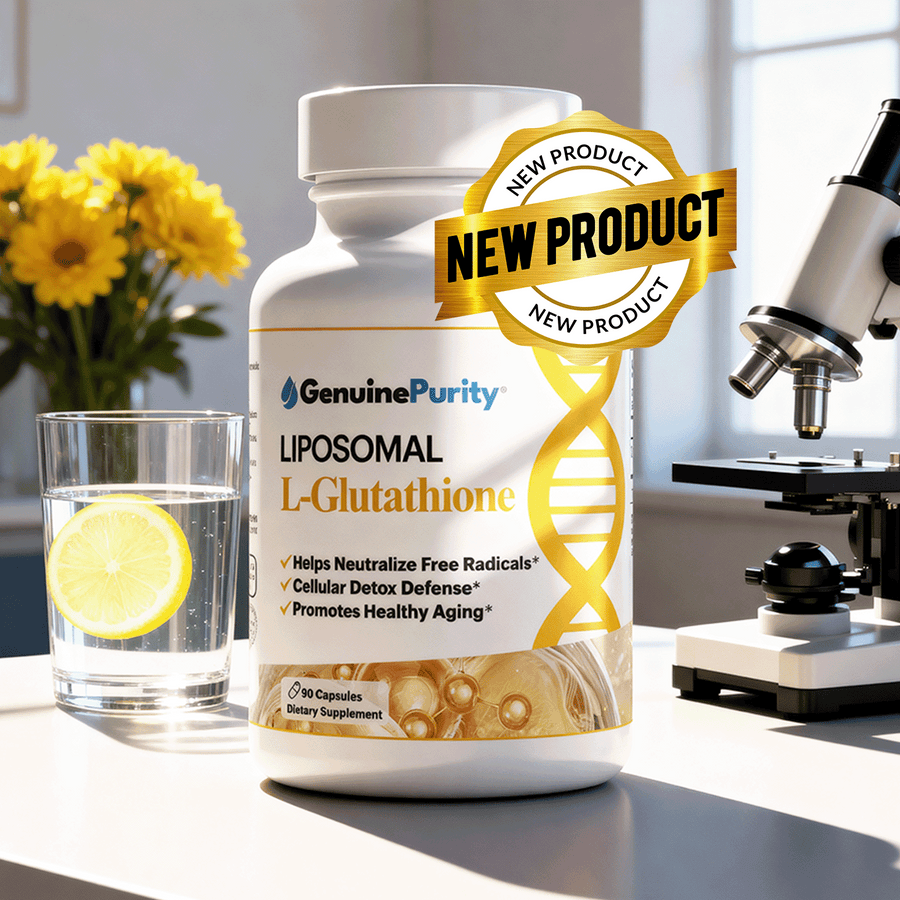
Glutathione is often called the “master antioxidant” because of its central role in cellular detoxification, immune support, and skin health. As interest in antioxidant supplementation grows, two delivery formats dominate the market: liposomal glutathione and traditional glutathione capsules. While both aim to raise the body’s glutathione levels, they differ significantly in absorption, stability, and overall effectiveness. This article examines the science behind each form, compares key features, and helps determine which option may be best suited for various health goals.
Understanding Glutathione and Its Importance
Glutathione is a tripeptide composed of cysteine, glutamine, and glycine. It functions as a potent intracellular antioxidant, neutralizing free radicals and supporting the regeneration of other antioxidants such as vitamins C and E. Beyond its antioxidant capacity, glutathione plays a vital role in:
- Detoxifying heavy metals and environmental toxins.
- Supporting liver function and metabolic pathways.
- Regulating immune cell activity.
- Maintaining skin elasticity and reducing oxidative aging.
How Delivery Methods Influence Effectiveness
Liposomal Glutathione
Liposomal technology encapsulates glutathione within phospholipid vesicles, creating a protective “bubble” that can merge with cell membranes. This design offers several advantages:
- Enhanced Bioavailability: The liposome shields glutathione from stomach acid, allowing a larger percentage to reach the bloodstream.
- Rapid Absorption: Liposomes fuse directly with intestinal cells, facilitating quicker uptake.
- Reduced Degradation: The encapsulation minimizes oxidative breakdown before the nutrient is utilized.
For those seeking a high-performance antioxidant, the best liposomal glutathione formulations typically provide a more consistent rise in plasma glutathione levels compared with standard oral capsules.
Glutathione Capsules
Traditional capsules contain powdered glutathione that must survive the acidic environment of the stomach before absorption. While convenient, this format presents challenges:
- Lower Absorption Rate: Enzymatic breakdown in the gastrointestinal tract can significantly reduce the amount that reaches systemic circulation.
- Variable Stability: Exposure to heat, light, and moisture may degrade the active ingredient over time.
- Convenient Dosing: Capsules are easy to transport and have a familiar, pill-like feel.
When selecting a glutathione supplement, it is important to consider the product’s manufacturing standards and any added stabilizers that may improve efficacy.
Key Comparison Points
| Factor | Liposomal Glutathione | Glutathione Capsules |
|---|---|---|
| Absorption Efficiency | 70-90% (clinical studies) | 10-30% (high variability) |
| Stability in GI Tract | Protected by phospholipid shell | Susceptible to acid degradation |
| Onset of Effect | Within 30-60 minutes | 1-2 hours, often less noticeable |
| Convenience | Liquid or soft-gel, may require refrigeration | Standard pill form, no refrigeration |
| Cost per Dose | Higher, but superior bioavailability | Lower upfront price, but may require larger doses |
Choosing the Right Form for Specific Goals
Both delivery systems can be effective, but the optimal choice depends on individual needs and lifestyle factors.
For Athletes and High-Intensity Training
- Rapid recovery and reduced oxidative stress are critical.
- Liposomal delivery provides a quick surge in antioxidant capacity, supporting muscle repair.
For Skin Health and Anti-Aging
- Consistent, elevated glutathione levels help brighten complexion and protect against UV-induced damage.
- Products marketed as the best glutathione supplement often use liposomal technology for this reason.
For General Wellness and Budget-Conscious Users
- Capsules may be sufficient for mild antioxidant support.
- Choosing a reputable brand ensures the capsule contains a reliable dose of active glutathione.
Practical Tips for Maximizing Benefits
- Take with a Small Fat Source: Liposomes are lipid-based, so a modest amount of healthy fat (e.g., avocado or nuts) can aid absorption.
- Store Properly: Keep liposomal products in a cool, dark place; some formulations benefit from refrigeration.
- Combine with Supporting Nutrients: Vitamin C and selenium can synergistically boost glutathione recycling.
- Consistency is Key: Regular daily dosing yields the most noticeable results, regardless of format.
Where to Find Quality Products
When evaluating options, look for third-party testing, transparent ingredient lists, and clear manufacturing practices. For those ready to upgrade their antioxidant regimen, reputable sources offer both liposomal glutathione and glutathione capsules that meet stringent quality standards. Consumers interested in trying the most advanced form can buy glutathione directly from specialized retailers that focus on purity and efficacy.
Conclusion
Both liposomal glutathione and traditional capsules have a place in modern supplementation strategies. Liposomal formulations excel in bioavailability, speed of absorption, and consistency, making them the preferred choice for athletes, skin-care enthusiasts, and anyone seeking a potent antioxidant boost. Capsules remain a viable, cost-effective option for general wellness, especially when sourced from a trusted manufacturer. Ultimately, the decision should align with personal health goals, budget considerations, and lifestyle preferences. By understanding the strengths of each delivery method, individuals can make an informed choice and enjoy the full spectrum of benefits that glutathione offers.
About the Author


