Optimizing athletic performance goes beyond rigorous training and disciplined rest; nutrition plays a pivotal role in how quickly muscles recover, how efficiently energy is produced, and how consistently an athlete can train at peak intensity. Sport food supplements, when chosen wisely and integrated into a balanced diet, can bridge nutritional gaps, enhance metabolic pathways, and support the physiological demands of high-level competition. This article explores the science behind key supplement categories, practical guidelines for safe usage, and evidence-based strategies to help athletes achieve sustainable performance gains.
Understanding the Core Categories of Sport Food Supplements
Protein and Amino Acid Supplements
Protein is the building block of muscle tissue, and amino acids, especially the branched-chain amino acids (BCAAs) leucine, isoleucine, and valine, play a direct role in muscle protein synthesis.
- Whey protein isolate: Fast-absorbing, ideal for post-workout windows when muscles are most receptive to nutrients.
- Casein protein: Slow-digesting, suitable before bedtime to sustain amino acid delivery during sleep.
- Essential amino acid blends: Provide a balanced profile that supports recovery without excess calories.
For a curated selection of high-quality protein products, Discover expert strategies here.
Creatine Monohydrate
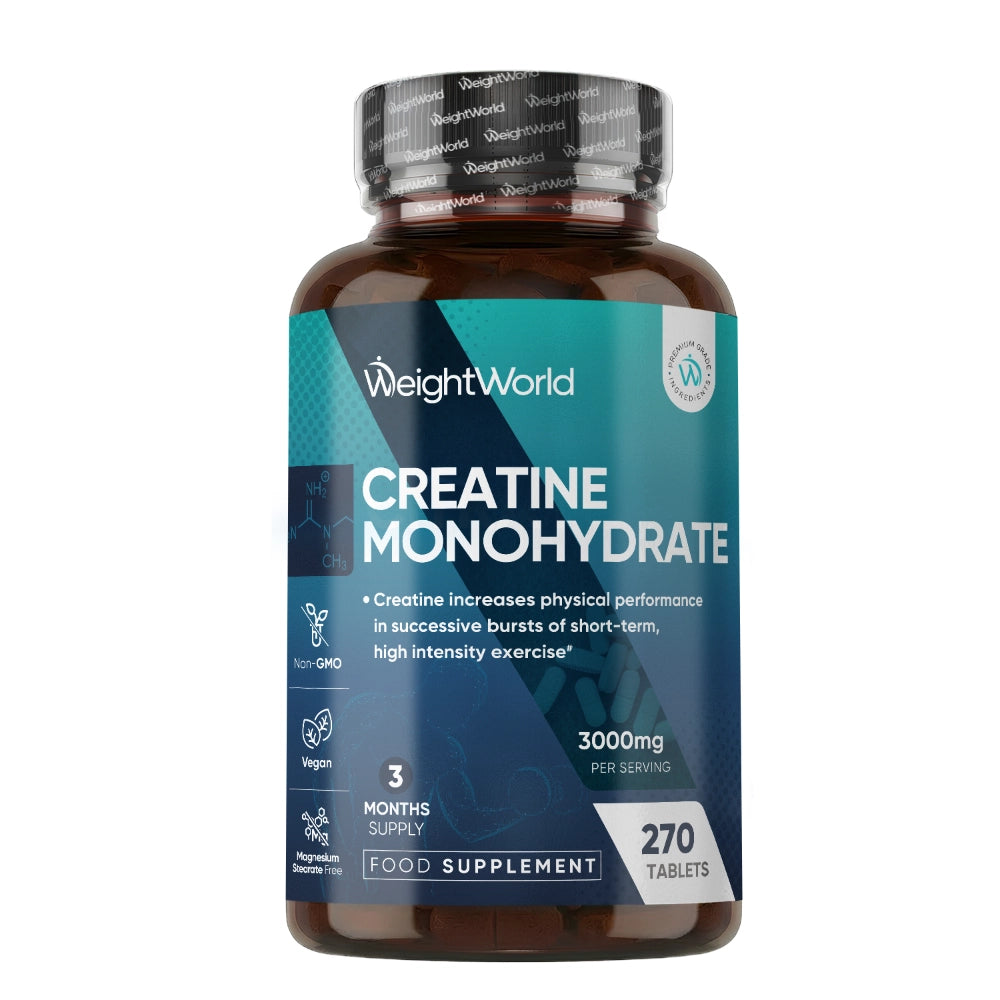
Creatine enhances the phosphocreatine system, allowing athletes to regenerate ATP, the primary energy currency, more rapidly during short, intense bursts of activity.
- Improves strength and power output in resistance training.
- Supports muscle volumization by increasing intracellular water content.
- Demonstrated safety profile when taken within recommended dosages (3-5″?g per day).
Detailed dosing protocols and product options can be explored by Learn about our tailored solutions.
Beta-Alanine and Carnosine Boosters
Beta-alanine raises muscle carnosine levels, which buffers hydrogen ions and delays the onset of fatigue during high-intensity efforts lasting 1-4 minutes.
- Typical supplementation: 2-5″?g per day, split into smaller doses to minimize tingling sensations.
- Most effective for sports requiring repeated sprints, rowing, or high-intensity interval training.
For a deeper dive into performance-focused supplementation, Explore advanced guides and tips.
Electrolyte and Hydration Formulas
Maintaining fluid balance and electrolyte concentrations is critical for endurance athletes and those training in hot environments.
- Sodium and potassium help preserve nerve impulse transmission.
- Magnesium supports muscle relaxation and prevents cramping.
- Carbohydrate-electrolyte blends can replenish glycogen while sustaining hydration.
Comprehensive electrolyte solutions are available to Find out more about this approach.
Integrating Supplements into a Periodized Training Plan
Effective supplementation aligns with the phases of a periodized training cycle, pre-season, in-season, and off-season, to match the evolving physiological demands.
Pre-Season (Foundation Building)
- Focus on muscle hypertrophy; prioritize protein, creatine, and moderate carbohydrate intake.
- Introduce beta-alanine to develop buffering capacity before high-intensity competition.
In-Season (Performance Optimization)
- Maintain protein intake to support recovery between matches or events.
- Utilize fast-acting carbohydrates and electrolytes during training sessions to sustain energy and hydration.
- Continue creatine at maintenance doses to preserve strength gains.
Off-Season (Recovery and Adaptation)
- Shift emphasis to joint health and immune support, consider collagen peptides and vitamin D.
- Reduce caloric supplements while maintaining baseline protein to prevent muscle loss.
Safety, Quality Assurance, and Regulatory Considerations
Choosing reputable products is essential to avoid contamination, inaccurate labeling, or banned substances. Look for supplements that:
- Are third-party tested (e.g., Informed-Sport, NSF Certified for Sport).
- Provide transparent ingredient lists with exact dosages.
- Comply with the World Anti-Doping Agency (WADA) prohibited list.
A reliable marketplace that adheres to these standards can be accessed by Explore advanced guides and tips, ensuring athletes remain competition-eligible.
Practical Tips for Maximizing Supplement Efficacy
- Timing matters: Consume protein within 30-60 minutes post-exercise to capitalize on the anabolic window.
- Consistent dosing: Creatine and beta-alanine require daily intake to maintain tissue saturation.
- Pair with food: Fat-soluble nutrients (e.g., vitamin D) are better absorbed with a modest amount of dietary fat.
- Track responses: Keep a supplementation log noting dosage, timing, training load, and perceived performance changes.
- Hydration synergy: Pair electrolyte supplements with adequate water intake to prevent gastrointestinal distress.
Conclusion
Sport food supplements, when integrated thoughtfully into a comprehensive nutrition and training strategy, can provide measurable advantages in strength, endurance, and recovery. By selecting evidence-based products, aligning supplementation with periodized training phases, and adhering to rigorous quality standards, athletes can unlock higher performance ceilings while minimizing health risks. For a curated selection of scientifically supported supplements and further educational resources, Find out more about this approach. Continuous education and personalized experimentation remain the cornerstones of sustainable athletic excellence.
About the Author